Metal vs Tile Roofing: Which Suits Canberra Homes Best?
Choosing between a metal roof and a tile roof is one of the biggest decisions Canberra homeowners face when building, renovating or replacing a roof. Both materials have a strong track record in Australia, but Canberra's climate is unusual. The city has hot, dry summers, frosty winters, big daily temperature swings and a real bushfire risk in many suburbs. This guide compares metal and tile roofing on the factors that matter most locally, so you can decide with confidence.
Understanding Canberra's Climate and Why It Matters for Roofing
Canberra sits inland at around 580 metres above sea level. Summer days regularly exceed 35°C, while winter nights often drop below zero, with frequent frosts. A roof here expands and contracts constantly, and it needs to handle intense UV exposure, occasional hailstorms and strong westerly winds.
The region is also bushfire-prone, particularly on the urban edges and in suburbs bordering reserves and grasslands, such as parts of Weston Creek, Holder, Duffy, Kambah, Chapman and Namadgi-adjacent areas. Ember attack is a major concern, so the way a roof is installed and sealed matters as much as the material itself.
Metal Roofing in Canberra
Metal roofing, most commonly Colorbond steel in Australia, is popular on new builds and re-roofs across Canberra. It is lightweight, fast to install and available in a wide range of colours and profiles.
Advantages of Metal Roofing
- Lightweight: Steel roofing is far lighter than concrete or terracotta tiles, which can reduce structural demands and make it suitable for many older homes without major frame upgrades.
- Speed of installation: Large sheets cover more area quickly, which can shorten build times and labour costs.
- Heat reflection: Lighter colours such as Surfmist, Shale Grey or Classic Cream reflect a significant amount of solar heat, helping manage summer temperatures.
- Non-combustible: Steel does not burn, which is a benefit in bushfire-prone areas when installed with appropriate sarking, sealing and ember protection.
- Low maintenance: Metal does not grow moss or crack, and it needs only occasional cleaning and gutter checks.
- Water harvesting: Smooth steel surfaces suit rainwater collection, which many Canberra households value during dry spells.
Disadvantages of Metal Roofing
Metal can be noisy during heavy rain or hail unless the roof has quality insulation and sarking underneath. It can also dent from large hailstones, which Canberra experiences from time to time. Cheaper or poorly installed metal roofs may develop fastener or flashing problems over the years, and coastal-grade corrosion concerns are minimal in Canberra, but scratches should still be touched up to prevent rust.
Tile Roofing in Canberra
Concrete and terracotta tiles have long been a feature of Canberra's suburban streetscapes, particularly on homes built from the 1970s through the 2000s. They remain a popular choice for those who want a traditional, solid look.
Advantages of Tile Roofing
- Durability: Quality tiles can last 50 years or more, and terracotta can last even longer when properly maintained.
- Thermal mass: Tiles absorb and release heat slowly, which can help moderate indoor temperatures when combined with good insulation.
- Quiet performance: Tiles are naturally better at dampening rain and hail noise.
- Hail resistance: Tiles generally handle moderate hail well, though very large hail can crack them.
- Aesthetic appeal: Many heritage and traditional-style homes suit tiles better than steel.
Disadvantages of Tile Roofing
Tiles are heavy, so your roof frame must be able to carry the load. Switching from metal to tile on an older home may require a structural assessment and potentially extra framing. Individual tiles can crack from foot traffic, hail or ageing, and the freeze-thaw cycle in Canberra winters can affect porous or poorly made tiles. The bedding and pointing on ridge capping can also deteriorate over time and needs periodic checking and repair. Tiles generally cost more to install than metal, and re-roofing takes longer.

Cost Comparison
Pricing varies with roof size, pitch, complexity, access and the quality of materials. As a general guide in 2026, metal roofing typically costs less to supply and install than tile for a standard re-roof. Tile re-roofs usually cost more because of heavier materials, additional labour and potential structural work. However, tiles may offer a longer lifespan, so lifetime value can be comparable.
When comparing quotes, check that each one covers the same scope, including removal and disposal of the old roof, sarking, insulation, battens, flashings, ridge capping, gutters and downpipes. Always get at least three written quotes from licensed local roofers.
Bushfire Considerations
If your property is in a designated Bushfire Prone Area in the ACT, your roof must comply with the relevant Bushfire Attack Level (BAL) requirements under the National Construction Code and AS 3959. Both metal and tile roofs can meet these standards, but the details matter.
- Gaps at ridges, valleys, eaves and roof penetrations must be sealed with approved ember-proof materials.
- Metal roofs commonly need appropriate sarking, and tile roofs require properly bedded and pointed ridge capping.
- Gutters should be fitted with non-combustible leaf guards or mesh, and kept clear of debris.
Check the current ACT planning and building requirements and speak with your certifier or builder to confirm what applies to your block.
Energy Efficiency and Comfort
Canberra's temperature extremes mean that insulation and ventilation often have a larger impact on comfort than the roofing material alone. A well-insulated metal roof with reflective sarking can perform very well, while a tile roof benefits from its thermal mass but still needs quality ceiling insulation.
Colour choice matters. Lighter colours reflect more heat in summer, but in Canberra's cold winters, darker roofs can offer some passive warming benefit. Many homeowners compromise with medium tones. With ACT energy efficiency requirements and electrification trends, you may also want to consider solar panels, which can be installed on both roof types. Metal roofs, particularly those with standing seams, can allow for simple clamp-on mounting, while tile roofs need specialist hooks and careful sealing to avoid breakage and leaks.
Maintenance and Lifespan
Metal
Expect a lifespan of around 40 to 60 years for quality Colorbond steel, depending on the product and warranty. Maintenance involves clearing gutters, checking flashings and fasteners, and washing the roof occasionally.
Tile
Concrete tiles commonly last 50 years or more, and terracotta can exceed that. Maintenance includes replacing cracked tiles, re-pointing or re-bedding ridge capping, and checking the underlay, which often wears out well before the tiles themselves. If your tile roof is 25 to 30 years old, an inspection of the sarking and battens is worthwhile.
Which Is Better for Your Canberra Home?
The right choice depends on your home's structure, style, location and budget. As a rule of thumb:
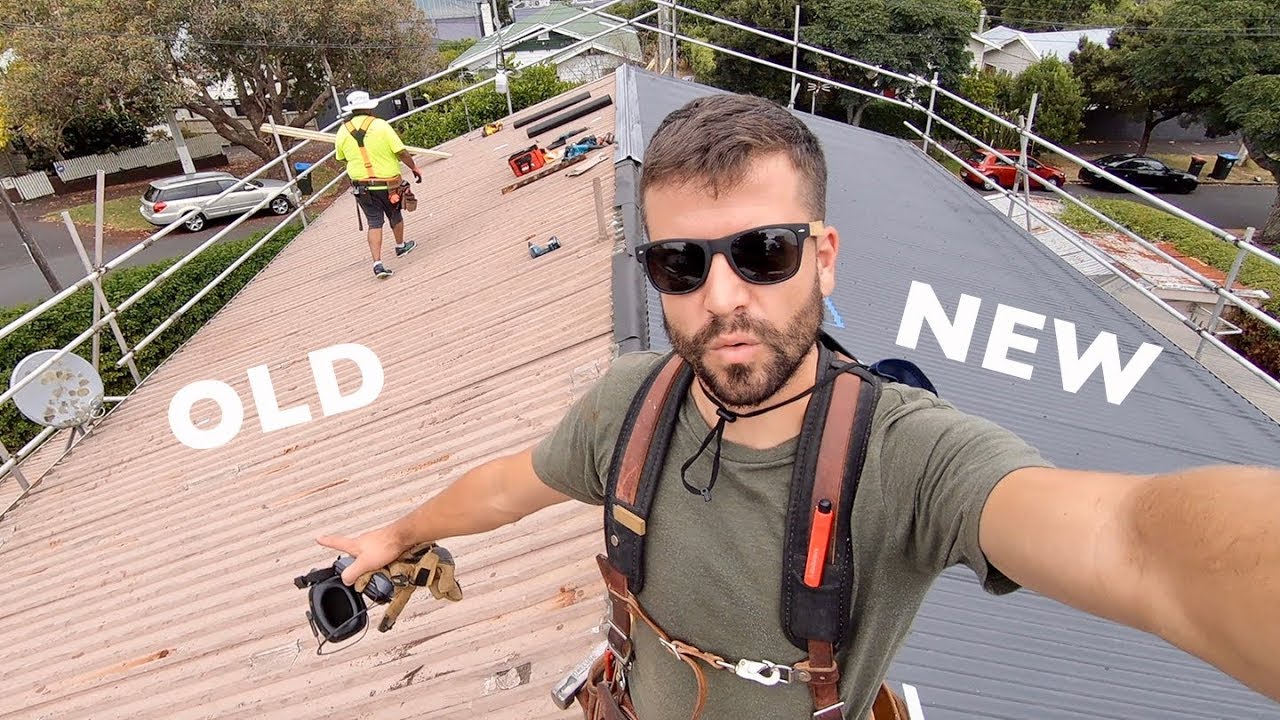
- Choose metal if you want a lighter, quicker and typically more affordable re-roof, you are on a tighter budget, your frame is older, or you plan to harvest rainwater or install solar.
- Choose tile if you prefer a traditional aesthetic, want excellent noise reduction, value long-term durability, and your roof structure can support the load.
For many Canberra homes, particularly mid-century and contemporary designs, Colorbond is a practical and cost-effective option. For heritage-style or brick homes in established suburbs like Forrest, Griffith, Deakin or Red Hill, tiles often complement the architecture better. Heritage-listed properties may have additional requirements, so check with the ACT Heritage Council before making changes.

Questions to Ask Before You Hire a Roofer
- Are you licensed and insured to work in the ACT?
- Will the quote include sarking, insulation and flashings?
- How will you manage roof safety and asbestos if the existing roof or eaves are older?
- What warranties apply to materials and workmanship?
- Does the design meet BAL requirements for my property, if applicable?
Older Canberra homes may contain asbestos in roofing sheets, eaves or other materials. If your home was built before the mid-1990s, have the materials assessed by a licensed professional before work begins, and never disturb suspect materials yourself.
Final Thoughts
Both metal and tile roofs can perform very well in Canberra's demanding climate. Metal wins on weight, speed and upfront cost, while tile offers long-term durability, quiet performance and classic looks. The best results come from quality materials, correct installation and regular maintenance. Have your roof inspected by a reputable local roofer, compare detailed quotes, and consider your home's structure, bushfire rating and long-term plans before deciding. Looking ahead to 2027 and beyond, rising energy costs and https://canberraroofrestorationexperts.com.au/gutter-repair-replacement/ increasing interest in solar make it even more important to choose a roof that supports your household's future needs.
Canberra Roof Restoration Experts
(02) 6105 9817
Ends · LANDENHHBP659